Materials
Epoxy, polyaspartic
& polyurethane.
The words matter, but the complete specification matters more. Here is how to compare the layers without treating every product in a resin family as identical.
A floor may combine an epoxy base or decorative layer with a compatible polyaspartic or polyurethane wear coat. Other approved systems use different combinations. The right question is what each specified product does, and whether the complete build suits your concrete.
Epoxy: primers, build layers and decorative finishes
Epoxy formulations can serve as primers, body coats, broadcast binders or metallic decorative layers. Solids content, viscosity, cure and exposure limits vary. Some clear epoxies can amber in sunlight; a product name alone does not establish UV stability, chemical resistance or vehicle readiness.
The bond starts with sound, clean concrete. Diamond grinding or shot blasting must produce the concrete surface profile the selected system requires. Neither a premium base nor an expensive clear coat rescues contamination, unsuitable moisture conditions or inadequate preparation.
Polyaspartic: a protective topcoat option
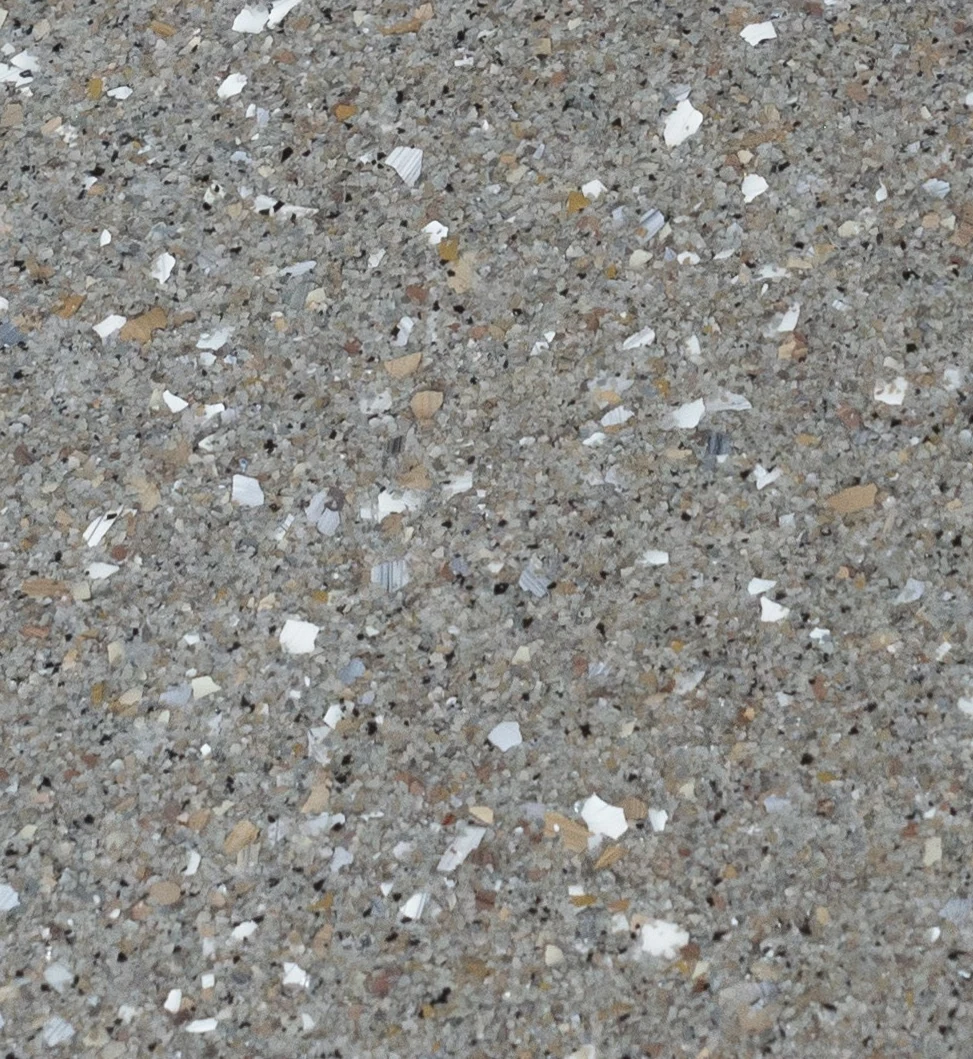
Polyaspartic floor coatings are commonly described as a type of aliphatic polyurea. Many are formulated for fast cure and abrasion or UV resistance, making them useful wear-coat options over compatible flake and quartz systems. Some are approved for other layers as well.
That does not mean every polyaspartic is scratch-proof, immune to tire marking or ready for a car the same day. Check the specific data sheet for working time, temperature, humidity, film thickness, recoat windows and return to service. “Polyurea” is not a complete specification.
Polyurethane: another wear-coat option
Polyurethane, often shortened to urethane, is another family used for protective floor topcoats. Appropriate formulations offer different sheen, abrasion, chemical and flexibility characteristics. Aliphatic polyurethane products are often selected where color and UV stability matter, but the actual product data controls.
A polyurethane topcoat is not automatically interchangeable with a polyaspartic topcoat. Compatibility, surface preparation between coats, cure conditions and the underlying resin layers must be checked. A topcoat is also not a substitute for a dedicated moisture vapor mitigation system.
Compare the specification, not just the label
| On the quote | What to ask |
|---|---|
| Epoxy, polyaspartic or polyurethane | Which exact products, in which layers, and approved together by which system instructions? |
| Solids content and mils | What wet and dry film thickness is specified? A mil is one-thousandth of an inch; more thickness is not automatically better. |
| UV and chemical resistance | Which exposures and limitations does the product data actually cover? |
| Fast cure | What are the separate foot-traffic and vehicle times at the expected site conditions? |
| Moisture and preparation | Which tests, acceptance limits, concrete surface profile and mitigation requirements apply? |
What SlabFresh puts in the plan
We assess the slab and intended use before recommending the build. The written scope should identify preparation, repair needs, compatible coating layers and cure restrictions. A garage, metallic interior and working service bay may need different answers.
Start with moisture testing and vapor mitigation and why surface preparation matters.
Technical references
Examples showing why specifications matter: Sika polyaspartic topcoat data and Sika polyurethane topcoat data. These are educational examples, not a promise that either named product will be used on your floor.